
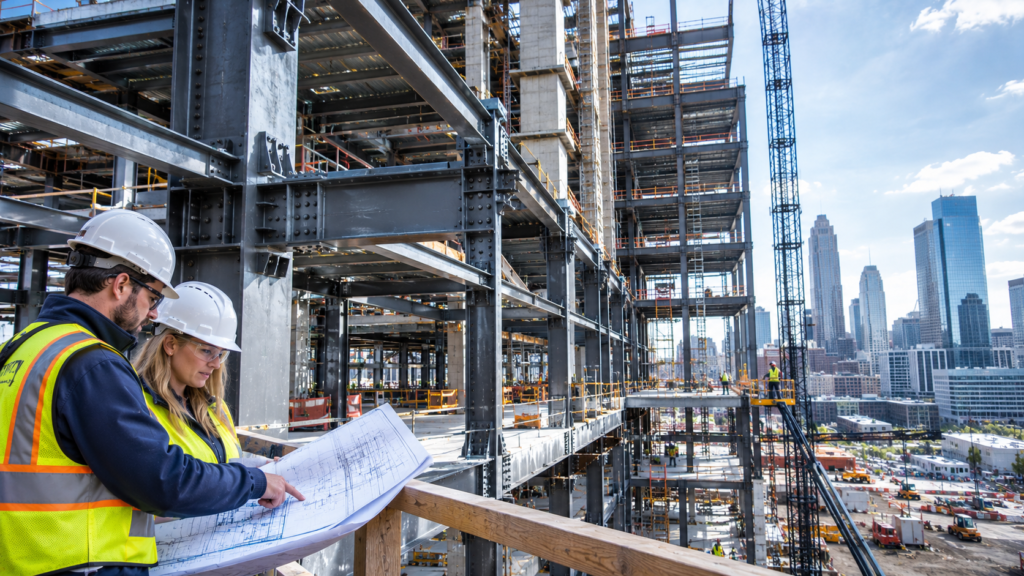
Choosing a structural engineering company is not simply about finding the biggest firm or the lowest quote. The right engineering partner can influence everything from construction costs and project schedules to building safety, regulatory compliance, and long-term performance.
For developers planning commercial buildings, architects designing complex structures, or property owners renovating existing facilities, selecting an experienced structural engineering firm is one of the most important decisions in the construction process.
Fortunately, the United States has a diverse engineering industry, ranging from internationally recognised design practices to specialised local consultants.
This guide explores some of the top structural engineering companies in the USA, explains their areas of expertise, and provides practical advice for selecting a firm that fits your project.
Whether you need structural analysis, foundation engineering, seismic design, steel detailing, or building restoration, you can also explore the Structural Design company directory on Engineers Mirror to compare additional providers.
What Do Structural Engineering Companies Do?
Structural engineering companies design, analyse, and evaluate the components that keep buildings and infrastructure stable.
Their responsibilities extend beyond calculating the strength of beams and columns. Structural engineers must consider how a building behaves under different loads, including its own weight, occupants, equipment, wind, earthquakes, and other environmental conditions.
Common structural engineering services include:
- Structural analysis and building design
- Steel, concrete, timber, and masonry design
- Foundation and retaining wall engineering
- Seismic assessment and structural retrofitting
- Building inspections and condition assessments
- Structural rehabilitation and restoration
- Construction-phase engineering support
- Structural calculations and permit documentation
For complex developments, structural engineers collaborate with architects, geotechnical engineers, contractors, and other specialists throughout the project lifecycle.
Businesses that need multiple engineering disciplines can explore the broader Civil & Structural Engineering directory to identify potential project partners.
Looking for engineering companies?
Compare 865 verified engineering companies on Engineers Mirror and contact them directly.
Top Structural Engineering Companies in the USA
The following companies are notable for their engineering capabilities, project experience, specialist services, or established industry presence.
This is an editorial shortlist, not a revenue-based ranking. Companies are presented without implying that one is universally better than another. Their suitability depends on project size, location, complexity, and engineering requirements.
1. Thornton Tomasetti
Location: New York, USA
Specialties: Structural engineering, advanced analysis, building performance, and complex structural systems.
Thornton Tomasetti is one of the best-known names in structural engineering, particularly for technically demanding buildings and infrastructure.
The company works with architects, developers, and construction teams to solve complex structural challenges involving building geometry, material efficiency, structural performance, and constructability.
Its expertise is particularly relevant to projects where conventional structural solutions may not be sufficient.
For example, a high-rise building with unusual geometry may require advanced analysis of lateral forces, structural connections, and building movement. Thornton Tomasetti’s multidisciplinary engineering capabilities make it a relevant firm to evaluate for such work.
The company also has experience in structural investigations and performance-related engineering.
Best suited for: Complex commercial developments, high-rise buildings, major infrastructure, and technically challenging architectural projects.
Official website: Thornton Tomasetti
2. Walter P Moore
Location: Houston, Texas, USA
Specialties: Structural engineering, structural diagnostics, restoration, and infrastructure engineering.
Walter P Moore has an established presence in the American structural engineering industry.
Its engineering work includes buildings, stadiums, transportation facilities, and other major structures that require careful coordination between structural performance and architectural requirements.
One important distinction is the firm’s experience with existing structures.
Not every engineering project involves new construction. Property owners may need to investigate structural deterioration, evaluate damage, or determine whether an existing building can support new loads.
Walter P Moore’s structural diagnostics capabilities make it relevant to these situations.
Its experience with complex structures also makes the firm worth considering for projects where long-term durability and maintainability are significant priorities.
Best suited for: Stadiums, large commercial buildings, structural rehabilitation, complex facilities, and existing-building assessments.
For a more local comparison, read the Engineers Mirror guide to structural engineering companies in Houston.
3. Simpson Gumpertz & Heger (SGH)
Location: Waltham, Massachusetts, USA
Specialties: Structural engineering, building enclosure engineering, performance investigations, and rehabilitation.
Simpson Gumpertz & Heger, commonly known as SGH, was founded in 1956.
The firm is particularly recognised for combining structural engineering knowledge with investigation, research, and building performance expertise.
Its work is relevant to both new structures and existing buildings that require technical evaluation.
For example, when a building experiences cracking, movement, water-related deterioration, or unexpected structural behaviour, determining the underlying cause can be more important than immediately recommending repairs.
SGH’s investigation-oriented approach can help clients understand these problems and develop appropriate engineering solutions.
The firm also contributes technical expertise to engineering research and industry practice.
Best suited for: Structural investigations, building rehabilitation, specialised engineering assessments, and technically complex construction projects.
Official website: Simpson Gumpertz & Heger
4. WSP USA
Location: United States, with offices across multiple states
Specialties: Structural engineering, transportation infrastructure, buildings, and multidisciplinary engineering.
WSP is a major engineering and professional services organisation with extensive operations in the United States.
Its capabilities cover numerous engineering disciplines, including structural design for buildings and infrastructure.
One advantage of working with a multidisciplinary organisation is access to related engineering expertise.
Large developments often require structural, geotechnical, transportation, environmental, and building systems engineering to work together.
A company with experience coordinating these disciplines may be particularly useful for infrastructure projects or developments with complex approval requirements.
WSP USA also appears prominently in Engineering News-Record’s 2026 regional structural engineering rankings.
Best suited for: Major infrastructure, transportation facilities, large commercial developments, and multidisciplinary engineering projects.
Official website: WSP
5. HDR
Location: Omaha, Nebraska, USA
Specialties: Structural engineering, infrastructure, healthcare facilities, transportation, and integrated design.
HDR is an engineering and architecture organisation serving a broad range of public and private-sector projects.
Its structural engineering capabilities support complex facilities where the building structure must work alongside demanding operational requirements.
Healthcare buildings, transportation facilities, and major public infrastructure projects often involve more than conventional structural design.
They may require careful consideration of vibration, equipment loads, construction sequencing, future expansion, and resilience.
HDR’s multidisciplinary approach makes it a relevant candidate for projects with these requirements.
The firm also appears among leading structural engineering practices in Engineering News-Record’s 2026 regional market-sector rankings.
Best suited for: Healthcare facilities, public infrastructure, transportation projects, and complex institutional developments.
Official website: HDR
6. AECOM
Location: Dallas, Texas, USA
Specialties: Infrastructure engineering, structural design, transportation, buildings, and project delivery.
AECOM is a global infrastructure consulting company with significant engineering operations in the United States.
Its services support large and complex projects, including transportation systems, public infrastructure, commercial developments, and major facilities.
For clients managing multiple engineering disciplines, AECOM’s integrated capabilities can be particularly relevant.
A structural design may need to account for geotechnical conditions, construction methods, project phasing, and coordination with civil infrastructure.
These requirements become increasingly important as project scale grows.
AECOM’s experience across infrastructure and building projects makes it a company to consider for large-scale developments.
Best suited for: Public infrastructure, transportation, major developments, and large multidisciplinary projects.
Official website: AECOM
7. KPFF Consulting Engineers
Location: Seattle, Washington, USA
Specialties: Structural engineering, civil engineering, building design, and infrastructure.
KPFF Consulting Engineers is an established American engineering consultancy with structural and civil engineering capabilities.
Its work spans a variety of project types, including commercial, institutional, and infrastructure-related developments.
One reason to consider KPFF is the firm’s combination of structural design and broader engineering services.
Projects involving complex sites, building foundations, or infrastructure connections may benefit from coordination between civil and structural teams.
KPFF is also included in Building Design+Construction’s 2025 ranking of major engineering firms serving the nonresidential building and multifamily housing markets.
Best suited for: Commercial buildings, institutional facilities, mixed-use developments, and projects requiring civil-structural coordination.
Official website: KPFF
8. IMEG
Location: Rock Island, Illinois, USA
Specialties: Structural engineering, building systems, consulting engineering, and integrated design.
IMEG provides engineering services across multiple technical disciplines.
Its structural engineering capabilities can be valuable for projects where building performance depends on close coordination between structural and mechanical, electrical, and plumbing systems.
Consider a healthcare facility with heavy medical equipment or a commercial development with substantial mechanical installations.
Structural engineers must account for equipment loading, support requirements, vibration, and other technical considerations.
Working with an integrated engineering team may help reduce coordination problems during design and construction.
IMEG is also represented in major US engineering industry rankings.
Best suited for: Healthcare, education, commercial facilities, and integrated building engineering projects.
Official website: IMEG
9. LECGI, Inc.
Location: Louisville, Kentucky, with a Houston, Texas office
Specialties: Structural steel engineering, steel detailing, connection design, and BIM.
LECGI provides a more specialised alternative to some of the larger multidisciplinary engineering companies.
The firm’s services include structural steel design, engineering calculations, connection design, steel detailing, and three-dimensional building information modelling.
These capabilities can be particularly relevant for industrial projects, steel fabricators, and contractors that need detailed engineering information for manufacturing and installation.
For example, structural steel projects require coordination between engineering design, fabrication drawings, connections, and erection requirements.
A firm offering both structural engineering and detailing services may help simplify parts of this process.
According to its Engineers Mirror profile, LECGI supports commercial, industrial, institutional, and power-generation projects.
Best suited for: Industrial steel structures, steel fabrication, connection design, and BIM-supported structural projects.
Explore the LECGI company profile on Engineers Mirror.
10. Anchor Engineering, Inc.
Location: Denver, Colorado, USA
Specialties: Structural design, structural investigations, specialty engineering, and building assessments.
Anchor Engineering is an example of a regional structural engineering practice serving a variety of building projects.
Its services include structural engineering for residential, commercial, industrial, institutional, and mixed-use developments.
Regional firms can be attractive to clients who need engineering teams familiar with local construction practices and environmental conditions.
For projects in Colorado, structural design may require careful consideration of snow loads, wind exposure, and other site-specific requirements.
Anchor Engineering’s combination of design and investigation services makes it relevant to both new construction and existing-building work.
Best suited for: Colorado building projects, structural investigations, renovations, and regional commercial developments.
Explore the Anchor Engineering profile on Engineers Mirror.
Structural Engineering Companies in the USA: Quick Comparison
| Company | Primary strengths | Suitable projects |
|---|---|---|
| Thornton Tomasetti | Advanced structural design | High-rise and complex buildings |
| Walter P Moore | Structural design and diagnostics | Stadiums, restoration, major buildings |
| Simpson Gumpertz & Heger | Investigation and rehabilitation | Existing structures and technical assessments |
| WSP USA | Multidisciplinary infrastructure | Transportation and major developments |
| HDR | Integrated engineering | Healthcare and institutional projects |
| AECOM | Infrastructure and building engineering | Large public and private projects |
| KPFF | Structural and civil engineering | Commercial and mixed-use buildings |
| IMEG | Integrated building engineering | Healthcare, education, commercial facilities |
| LECGI | Steel engineering and detailing | Industrial steel and fabrication |
| Anchor Engineering | Regional structural services | Residential and commercial projects |
Important: These recommendations are based on publicly available capabilities and industry information, not independent engineering performance audits. Before hiring, confirm the firm’s current services, availability, licensing, and relevant project experience.
How to Choose the Best Structural Engineering Company for Your Project
The best structural engineering companies in the USA are not necessarily the largest.
A firm experienced in designing skyscrapers may not be the most practical choice for a residential foundation inspection. Similarly, a small residential consultancy may not have the resources required for a major industrial facility.
The right decision starts with understanding your project.
1. Define Your Structural Engineering Requirements
Before contacting a firm, prepare a clear description of the work.
Identify whether you need structural design for a new building, evaluation of an existing structure, foundation calculations, steel detailing, or a structural inspection.
Also determine what deliverables are required.
For example, an architect may need structural calculations and construction drawings, while a property owner may only need a condition assessment and repair recommendations.
A clear scope helps engineering companies provide more accurate proposals.
2. Verify Professional Engineering Licenses
Engineering licensure is an essential consideration when hiring structural engineering companies in the USA.
Requirements differ between states, and some jurisdictions have additional structural engineering licensing requirements.
The National Council of Examiners for Engineering and Surveying (NCEES) explains the professional engineering licensure system and provides access to information about state licensing boards.
Before hiring, confirm that the responsible engineer holds the appropriate license for the jurisdiction and scope of work.
Do not assume that a national company’s presence in multiple states automatically qualifies every engineer to approve plans in every location.
3. Review Relevant Project Experience
Ask each company to provide examples of completed projects similar to yours.
Pay attention to the building type, structural materials, project size, environmental conditions, and engineering challenges.
For a steel manufacturing facility, industrial structural experience may matter more than a portfolio of office buildings.
For a residential renovation, experience with existing foundations and local permitting requirements may be more valuable.
Relevant experience is often a stronger selection criterion than overall company size.
4. Compare Engineering Proposals Carefully
Engineering proposals should clearly explain the scope, deliverables, schedule, fees, and exclusions.
Some proposals include site visits, construction-phase support, and responses to permit review comments. Others may charge separately for those services.
Ask who will serve as the engineer of record and who will be responsible for technical review.
A lower initial fee does not necessarily mean a lower total project cost.
For a more detailed selection process, read our guide on how to hire a structural engineering firm.
5. Consider Communication and Project Coordination
Structural engineering rarely happens in isolation.
Design changes may affect foundations, architectural layouts, mechanical equipment, and construction methods.
Choose a company that can communicate effectively with the wider project team.
Ask how the firm manages revisions, coordinates with architects and contractors, and responds when unexpected site conditions arise.
Reliable communication can be just as important as technical expertise.
What Affects Structural Engineering Costs in the USA?
Structural engineering fees vary significantly depending on the project.
A residential beam assessment and a complete structural design package for a multi-storey commercial building require very different levels of engineering effort.
The most important pricing factors include:
Project size and complexity: Larger buildings, unusual geometry, and demanding structural systems generally require more analysis and documentation.
Structural materials: Steel, reinforced concrete, timber, and masonry systems involve different design and detailing requirements.
Site conditions: Poor soil conditions, seismic exposure, high winds, and other environmental factors can increase design complexity.
Existing building conditions: Renovation projects may require additional investigation because original drawings or construction details are unavailable.
Deliverables: Structural calculations, sealed drawings, inspections, reports, and construction-phase services may be priced separately.
Schedule: Accelerated design deadlines can affect staffing and fees.
Rather than relying on a generic national price estimate, request written proposals from several qualified companies using the same project brief.
This makes it easier to compare both fees and the engineering services included.
Structural Engineering Trends Shaping the Industry
Structural engineering continues to evolve as clients seek more efficient buildings, resilient infrastructure, and improved project coordination.
Building Information Modeling (BIM)
BIM allows engineering teams to coordinate structural elements with architectural and building systems models.
For complex projects, this can help identify design conflicts before construction begins.
Companies providing structural engineering alongside BIM capabilities may be especially useful for projects with extensive multidisciplinary coordination.
You can explore related providers through the Civil & Structural Engineering directory.
Resilient Structural Design
Buildings and infrastructure must respond to environmental risks that vary by location.
Wind, earthquakes, flooding, temperature changes, and deterioration can influence engineering decisions.
Resilient structural design considers how structures can maintain performance and recover from demanding conditions.
Advanced Structural Analysis
Modern analysis software helps engineers evaluate complex structural behaviour and compare alternative designs.
These tools can support more efficient structural systems, although engineering judgment and appropriate verification remain essential.
Sustainable Material Use
Material efficiency is becoming increasingly relevant to building design.
Structural engineers can contribute by evaluating alternative systems, reducing unnecessary material quantities, and considering the durability and adaptability of structures.
The appropriate solution depends on safety requirements, project conditions, and the overall building design.
Where Can You Find Structural Engineering Companies Near You?
Many clients prefer working with a firm that understands local building codes, permitting requirements, and construction conditions.
A local engineering company may also be better positioned to conduct site inspections and coordinate with contractors.
However, larger national firms may be suitable when a project requires specialised expertise unavailable locally.
Engineers Mirror allows buyers to compare engineering providers by service category and location.
Start with the USA engineering companies directory or explore the dedicated Structural Design category.
You can review company profiles, evaluate available information, and contact suitable providers.
Frequently Asked Questions
What are the top structural engineering companies in the USA?
Notable structural engineering companies in the USA include Thornton Tomasetti, Walter P Moore, Simpson Gumpertz & Heger, WSP USA, HDR, AECOM, KPFF, and IMEG. The best choice depends on your project type, location, technical requirements, and budget.
How do I find structural engineering companies in the USA?
You can find structural engineering companies through professional engineering directories, industry associations, referrals, and company websites. Engineers Mirror provides a searchable directory where buyers can compare structural design providers and review company profiles.
What services do structural engineering companies provide?
Structural engineering companies provide structural analysis, building design, foundation engineering, seismic assessments, structural inspections, rehabilitation, and construction documentation. Some also offer steel detailing, BIM, and forensic engineering.
How much does it cost to hire a structural engineering company?
Costs depend on the project size, complexity, location, deliverables, and engineering scope. Small inspections and limited design tasks generally require less engineering effort than complete structural design for large buildings. Request a written, itemised proposal for accurate pricing.
Do structural engineers need a license in the USA?
Professional engineering work is regulated at the state level. Engineers responsible for regulated design and sealed documents must hold the appropriate license for the jurisdiction. Some states have additional structural engineering requirements.
What is the difference between civil engineering and structural engineering?
Civil engineering covers a broad range of infrastructure and development activities, including transportation, water systems, and site engineering. Structural engineering focuses on the strength, stability, and performance of buildings and other load-bearing structures.
Can structural engineering companies work across different states?
Yes, engineering companies can serve clients in multiple states, but the professionals responsible for regulated engineering work must satisfy the applicable licensing requirements in each jurisdiction.
How can I compare structural engineering firms before hiring?
Compare firms based on relevant experience, professional licensing, project references, proposed deliverables, fees, schedule, and communication. Ask for examples of similar completed projects and clarify who will be responsible for engineering decisions.
Final Thoughts
Finding the right structural engineering company requires more than reviewing a list of well-known names.
The United States has experienced engineering practices serving everything from residential renovations to major infrastructure developments. Each firm brings different capabilities, resources, and areas of expertise.
For large or technically complex projects, multidisciplinary engineering organisations may provide valuable coordination and specialist resources.
For smaller developments, renovations, or regional projects, a qualified local engineering firm may offer a more practical fit.
The most important step is matching your project requirements with a company that has the appropriate experience, licensing, and technical capabilities.
Ready to find the right structural engineering partner?
Explore structural engineering companies on Engineers Mirror, compare available company profiles, and contact suitable providers.
You can also submit your engineering project requirements through Engineers Mirror to connect with potential engineering partners.
Editorial note: Company inclusion does not constitute an endorsement or guarantee of engineering performance. Verify current credentials, services, references, insurance, and contract terms before engaging any provider.